
August 4, 2026
A crewed Caribbean charter is one of the few trips where the plan and the price are shaped as much by the calendar as by the destination. Pick the right weeks and you get steadier trade winds, calmer anchorages, and a wider choice of yachts. Pick dates without checking the season and you may sail into a storm window, regatta crowds, or a fully booked fleet.
This planning brief for winter 2026 to 2027 covers when to go, where to go, and what it can cost. Hurricane season runs June 1 to November 30 every year. Seasonal forecasts can change, and even a mild forecast is not risk free, so timing, insurance, and flexibility still matter.
Key Takeaways
– Book early for peak weeks. March and April draw crowds around major regattas, so secure yachts and crew six to twelve months ahead when possible.
– Match the island group to the season. The strongest window runs December to April; late April to May and November are quieter shoulder periods.
– Budget the full cost stack. Plan for base rate plus APA, taxes, gratuity, and possible delivery fees, not just the headline charter price.
– Verify local fees. Mooring charges, marine park entry, and VAT differ by island and jurisdiction.
– Keep hurricane dates in mind. Even in a quieter year, weather flexibility and travel insurance belong in the plan.
A Quick Season Cheat Sheet
High season generally runs December through April, with reliable trade winds and the widest fleet availability. The shoulder periods, late April into May and again in November, often bring lighter demand and more room to negotiate timing. The quiet stretch is June through November, which overlaps hurricane season; late summer into early autumn carries the highest storm risk.
Major events can concentrate demand. Recent dates show the pattern: the St Barths Bucket 2026 ran March 12 to 15, filling Gustavia and nearby waters, while Antigua Sailing Week 2026 was scheduled April 22 to 26 with a revised four-day sailing format. If your dates touch the same weeks in a future season, expect more competition for yachts, crew, and dockage.
Best Islands by Vibe
The Caribbean is not one cruising ground but several, each with a different rhythm. Treat the notes below as planning cues rather than turn-by-turn advice, and confirm current fees and event schedules through official island or regatta sources.
British Virgin Islands and US Virgin Islands
The BVI is the classic first charter: short, line-of-sight hops between islands, protected water, and plenty of moorings. Indicative BVI mooring ball fees often run about $35 to $55 per night depending on location, as of early 2026.
The BVI significantly raised its charter vessel licensing fees in 2025, and officials from both the BVI and USVI have continued talks since then aimed at easing the impact and working toward a more workable fee structure, including annual term charter entry options.
Because those details can change and the two territories still operate under separate rules, confirm the current position with your broker rather than assuming one fee applies across both.
St Martin and St Barts
This pairing suits guests who want short passages with strong dining and boutique shopping ashore. Gustavia, on St Barthélemy, fills quickly during Bucket week, so book far ahead if your dates fall in mid March.
Antigua and Barbuda
Antigua is known for beach density and steady trade wind sailing. The late April Antigua Sailing Week affects dockage and skipper availability, so factor that in if you plan to charter around the same window.
St Lucia to the Grenadines and Grenada
This is the route for travelers who want classic Windward passages and a more remote feel. The Tobago Cays Marine Park is a highlight, and it charges XCD 15 per person for each 24-hour entry and XCD 60 per 24-hour mooring. Expect a mix of day sails between islands rather than the very short hops of the Virgins.
The Bahamas
Often paired with Caribbean programs in winter, the Bahamas offers shallow-draft cruising in the Exumas and easy flights from the United States. Charters operating in Bahamian waters are required to pay 10% VAT on the charter value, according to official tourism boating guidance. Keep in mind that the Bahamas is a distinct jurisdiction from the Caribbean territories above, with its own rules and taxes.
How to Book and What It Really Costs
Most crewed charters use standard industry contracts. In practice, that usually means either the MYBA charter agreement or, in US contexts, AYCA terms. These frameworks set out payment timing, cancellation terms, and responsibilities at a high level. They are not a substitute for legal advice, so read the agreement carefully with your broker before signing.
A typical payment schedule is a 50% deposit on signing, with the remaining 50% plus the Advance Provisioning Allowance and taxes due roughly six to eight weeks before embarkation. For live filters, destination overviews, and plain explanations of contracts, deposits, and extras, the Caribbean yacht charter page from a global broker is a useful starting point.
The headline base rate is only part of the picture. Plan your budget as base rate plus APA plus taxes plus gratuity plus possible delivery or repositioning fees.
The APA, or Advance Provisioning Allowance, is a fund the crew draws on to cover operating expenses purchased at cost, such as fuel, food and beverages, berths, and port fees.
Industry guidance commonly puts APA at about 20% to 40% of the charter fee, with sailing yachts typically landing toward the lower end and motor yachts often running higher due to fuel and operating demands. Unspent APA is reconciled at the end of the trip.
Local fees vary widely by jurisdiction. Indicative examples include Bahamas VAT at 10% of the charter value, BVI mooring balls in the rough range of $35 to $55 per night, and Tobago Cays Marine Park at XCD 15 per person entry plus XCD 60 per 24-hour mooring. Treat all of these as planning figures and confirm current amounts before you commit.
Crew gratuity is customary but discretionary. AYCA guidance frames it as a suggested 10% to 20% of the charter fee, so build a range into your budget without treating it as a fixed obligation. Finally, because Caribbean plans depend on weather, travel insurance and some flexibility in your dates are sensible parts of the planning process.
Contracts, Deposits, and Timing
Use the contract timeline to work backward from your preferred embarkation date. For peak weeks around the March and April regattas, aim to book six to twelve months ahead, since the best-matched yachts and crews often commit early. At signing, expect to pay the deposit and review cancellation terms, cruising limits, delivery fees, and any special conditions tied to your route.
Once you are under contract, you will complete a preference sheet covering diet, cabin arrangements, activities, and pace. Brokers use this information to align the yacht and crew with the guest profile. The more specific you are about allergies, activity levels, celebration plans, and quiet time, the closer the trip will land to what your group actually wants.
Choosing Your Yacht
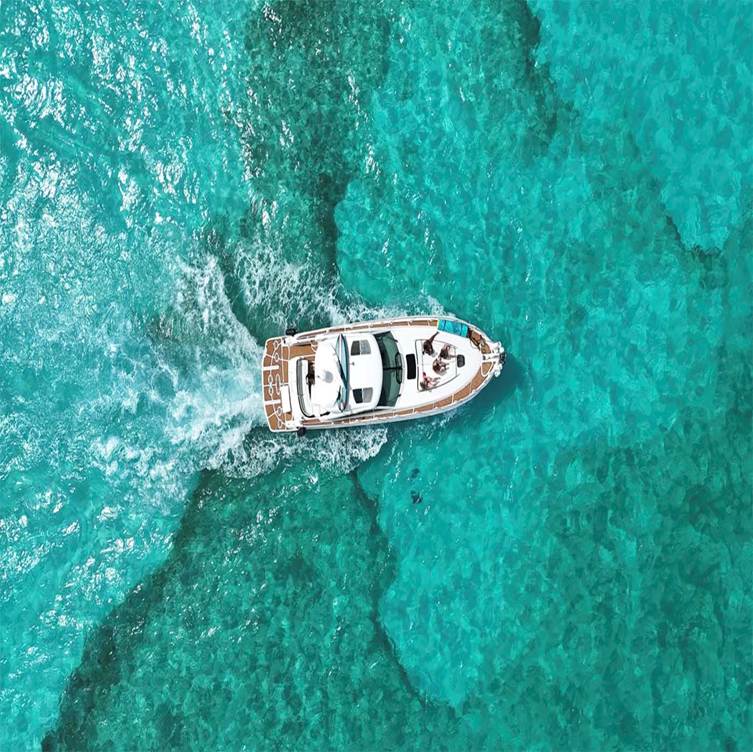
The main choice is among motor yachts, sailing yachts, and catamarans, each with different capacity limits and comfort profiles. Motor yachts often offer features like zero-speed stabilizers, beach clubs, and a wider range of water toys. Sailing yachts and catamarans appeal to guests who want the feel of being under sail and a closer connection to the water.
Yacht type maps loosely to island group. Catamarans, with their shallow draft and deck space, suit the Exumas and the BVI well. A blue water motor yacht or a capable sloop can handle the longer, more exposed runs around St Barts and Antigua. For Bahamas planning beyond the Exumas, coverage of Abacos yacht charters can add Abacos marina context. Your broker can narrow the field using search filters that match yacht type, capacity, and features to your route.
Two Seven Day Route Shapes
These are sketches, not fixed schedules. A captain will adjust each plan to weather, sea state, and guest interests.
– BVI loop: Tortola, Cooper Island, Virgin Gorda, Anegada, Jost Van Dyke, and Norman Island. Mostly short hops in protected water, which makes it forgiving for first timers.
– Grenadines chain: St Vincent, Bequia, Mustique, Canouan, Mayreau, the Tobago Cays, and on to Union or Palm Island. This route has a mix of day sails with more open-water feel.
Putting the Plan Together
The through line of a good Caribbean charter is alignment between season, destination, and budget. Choose your window first, using the December to April high season as the anchor and the shoulder months as value options. Then match the island group to the pace and scenery you want, from the sheltered Virgins to the more open Grenadines.
Build the budget around the full cost stack rather than the base rate alone, and verify local fees for each jurisdiction on your route. Keep the hurricane dates of June 1 to November 30 in view even in a quieter forecast year, and leave room for weather to reshape the plan. With those foundations set early, the rest of the trip becomes easier to refine.