
By: Staff Writer
August 12, 2025
The Caribbean Development Bank (CDB) in a recent report said that access to education and training is crucial for gender equality, enabling economic independence and empowerment.
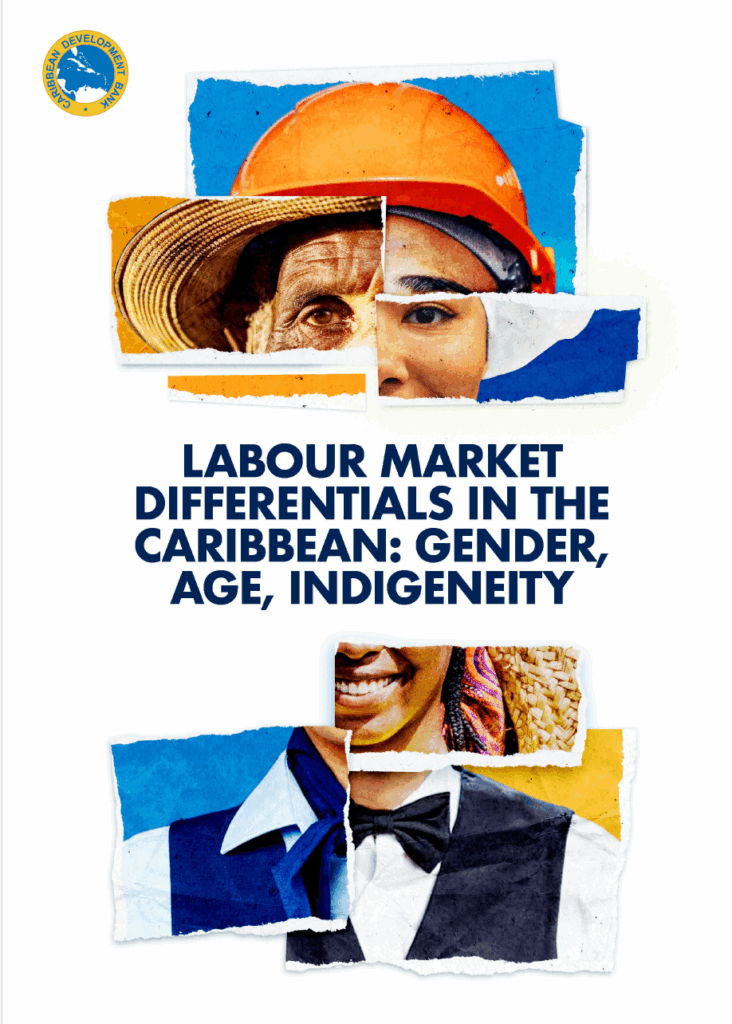
The report, “Labour Market Differentials in the Caribbean: Gender, Age, Indigeneity,” also said: “The rise of digital technologies presents both risks and opportunities within the gender construct.
“While these technologies can create new jobs and offer flexible work arrangements, which may be beneficial to women’s employment (in the context of disproportionate care responsibilities), they also exacerbate inequalities for those within the digital divide. The COVID-19 pandemic further highlighted these dynamics, showcasing digital technologies’ potential while exposing vulnerabilities for those lacking access.”
The report also said: “Labour force participation rates, representing the active workforce, provide insights into gender equality within the labour market. Despite progress, only eight client countries have legislation addressing equality of opportunity and treatment: Anguilla, Antigua and Barbuda, Barbados, Bahamas, Guyana, Jamaica, St. Vincent and the Grenadines, and Trinidad and Tobago.
“However, the existence of such laws does not guarantee equality. This study further reveals that in Antigua and Barbuda, Jamaica, St. Vincent and the Grenadines, and Trinidad and Tobago, legislation does not mandate equal pay for equal work, perpetuating gender wage gaps.
“Further, in Jamaica and St. Vincent and the Grenadines, laws restrict women’s ability to work industrial jobs, highlighting persistent gender discrimination.
“In Antigua and Barbuda, Jamaica, St. Vincent and the Grenadines, and Trinidad and Tobago, legislation does not mandate equal pay for equal work, perpetuating gender wage gaps. Further, in Jamaica and St. Vincent and the Grenadines, laws restrict women’s ability to work industrial jobs, highlighting persistent gender discrimination.”
The report added: “The youth cohort remains significantly disadvantaged in the client countries. High unemployment rates highlight their precarious situation, with youth employment proving less resilient compared with the general labour force during socioeconomic shocks.
“Youth unemployment rates increase more rapidly, and recovery is slower compared with the overall labour market, indicating greater vulnerability and the need for targeted interventions to support this demographic.
“It is important to note that there is an important demand-side challenge for youth employment; there are also not enough jobs in the market, so even young workers with higher educational attainment have a high unemployment rate.